

What to Do in the Garden in January — Almost Nothing, and Thats the Point
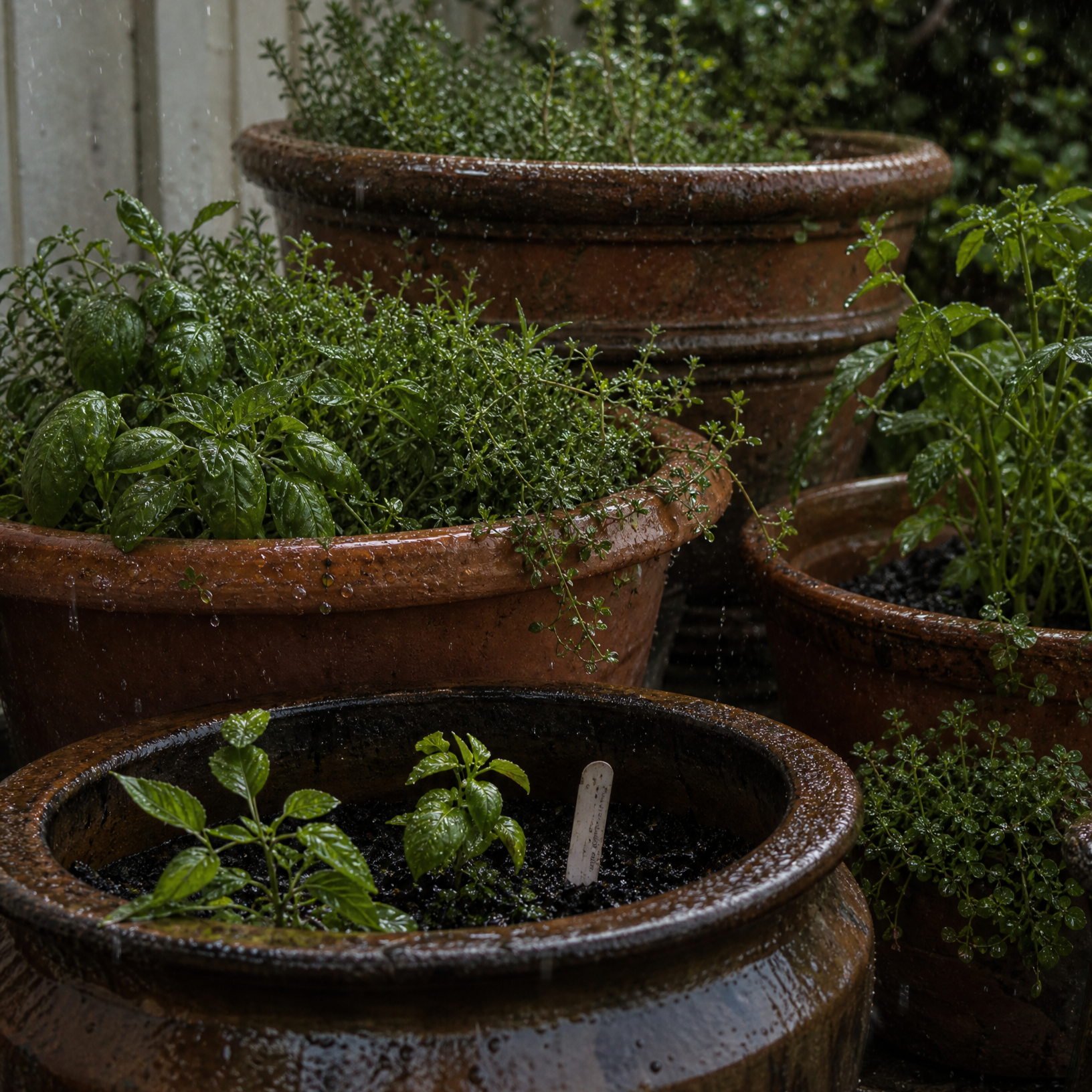
Every gardening column in January will tell you to make a plan. Draw your beds on paper. Order your seeds. Research companion planting. And these are all worthwhile things — but they are also very easy to use as a substitute for the more difficult practice of actually going outside and observing what's there.
January in the garden is about looking, not doing. The beds are bare or nearly so, and that nakedness is clarifying. You can see the structure of things — the bones of the garden, as the old gardeners used to say. Where the light falls in winter. Which spots drain well after rain and which ones hold standing water. Where the bare branches of the ornamental shrubs make interesting shadow patterns against the fence. These are things you cannot see when everything is in full, lush summer growth, and they are worth knowing.
So my first instruction for January is to go outside on a clear morning with a cup of something hot and just look. Don't pull anything or plant anything or move anything. Look at what remains after the season has stripped the garden back. Notice what looks beautiful even now — the skeletal structure of the climbing rose, the dried seed heads of the echinacea rattling in the wind, the moss that has crept across the path stones in the wetness of winter. The garden in January has a quiet beauty that we often miss because we're busy feeling guilty about not doing more.
Now, the things you can and should do: Prune roses, if you haven't yet. For most climates, late January is appropriate timing — after the hardest frosts have likely passed but before the plant pushes new growth. Cut to just above an outward-facing bud, at a slight angle, and remove any dead or crossing canes entirely. It feels brutal. The roses will thank you in June.
Check on any bulbs you've forced indoors. Paperwhites and amaryllis planted in November or December will be at various stages of bloom or growth now. They need light — more than most windows offer on cloudy January days — and consistent watering without being waterlogged. Move them to your sunniest windowsill.
Turn your compost if you have a pile. Even in winter, the pile needs occasional turning to incorporate air and keep the decomposition moving, however slowly. Add any kitchen scraps that have accumulated: vegetable peels, coffee grounds, eggshells. The pile asks very little of you in winter. Give it one turn and walk away.
Sharpen your tools. This is the January garden task that everyone knows about and almost no one does. A sharp hoe, a sharp spade, a sharp pair of pruners: these make every other garden task easier and more pleasurable. An hour spent sharpening tools on a cold January afternoon, inside with the radio on, is a very satisfying hour.
And then, yes — the planning. Sketch your beds if you want to. Think about what worked last year and what didn't. Consider where you want more height, more cutting flowers, more herbs within arm's reach of the kitchen door. The planning stage is genuinely useful, especially if it's connected to what you actually observed when you went outside and looked.
But the going outside and looking comes first. January is trying to teach you something. The lesson is: rest is productive. The bare garden is not a failed garden. It is a garden that knows what season it is.
